Fatty Liver Diet: What to Eat | Best Dietitian in Delhi
Fatty liver occurs when excess fat accumulates in the liver. The condition commonly associated with metabolic risk factors is now called metabolic dysfunction-associated steatotic liver disease (MASLD), previously known as non-alcoholic fatty liver disease or NAFLD. MASLD can range from liver fat accumulation to inflammation, fibrosis, cirrhosis and, in some people, liver cancer. Fatty liver can remain unnoticed because many people have few or no symptoms. It is frequently associated with excess body weight, insulin resistance, type two diabetes, abnormal cholesterol or triglycerides and low physical activity. For someone searching for a fatty liver diet in Delhi, the important point is that there is no single food that can “clean” or detoxify the liver. The strongest approach is an overall healthy eating pattern combined with appropriate weight management and physical activity.
Foods That Support a Healthy Fatty Liver Diet
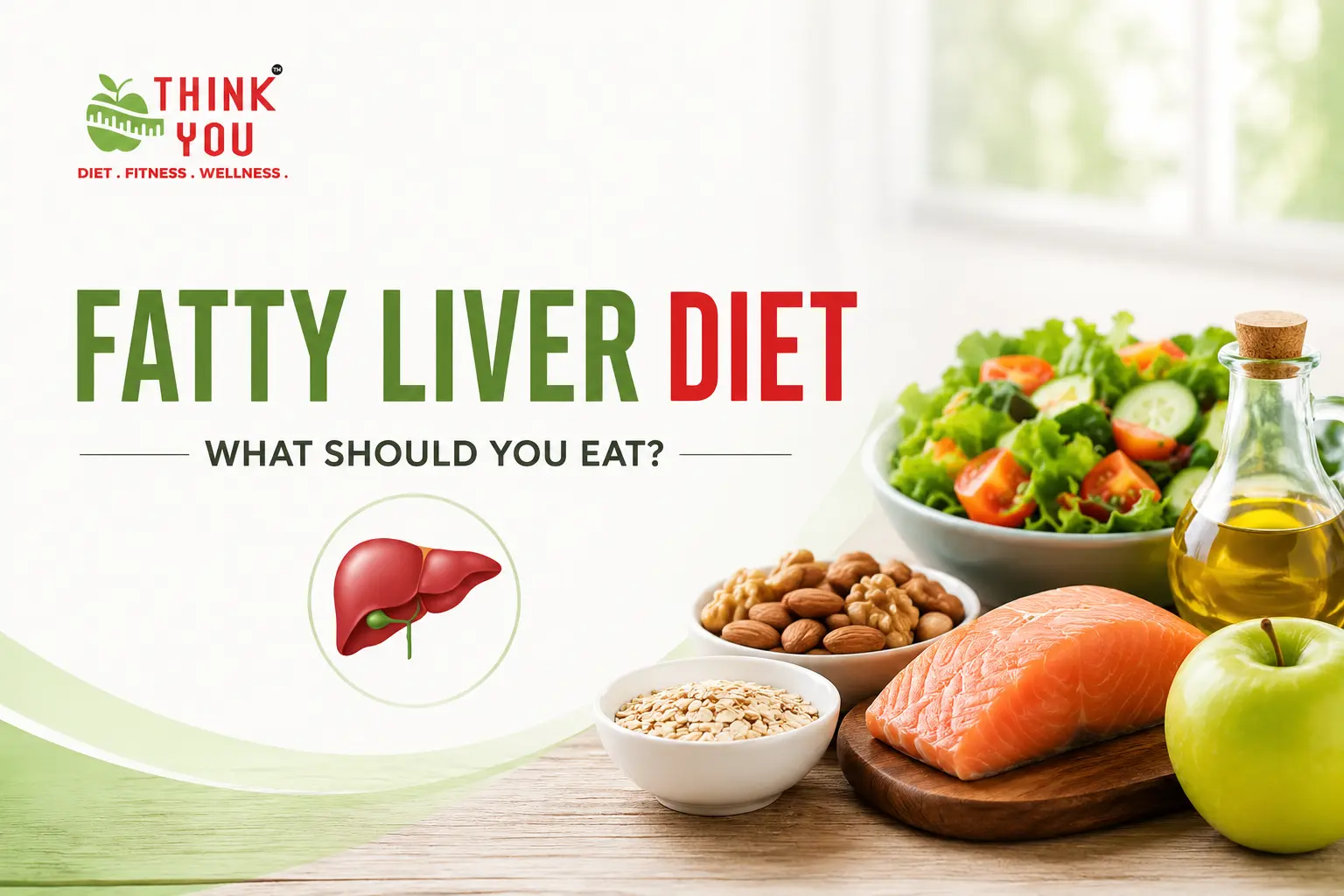
A practical fatty liver diet should focus on foods that provide fibre, protein, vitamins, minerals and healthier fats without unnecessarily increasing calorie intake. Vegetables should form a major part of daily meals. Spinach, methi, broccoli, cauliflower, beans, carrots, cucumber, tomatoes and other colourful vegetables can help increase fibre and nutrient intake while keeping meals filling. Whole grains such as oats, barley and whole-wheat foods can be useful alternatives to highly refined carbohydrate choices. NIDDK recommends low-glycaemic foods including many vegetables, fruits and whole grains as part of dietary management for fatty liver. Nuts and seeds such as walnuts, almonds, flaxseeds and chia seeds provide unsaturated fats and other nutrients. Because nuts are energy-dense, portions should still be appropriate for individual calorie requirements. Fish and other quality protein sources can help create balanced meals. Fatty fish can provide omega-three fatty acids, while dal, beans, curd, eggs and other suitable protein sources can help meet individual protein requirements. Whole fruits can also be included. Apples, oranges, guava, berries and other whole fruits provide fibre and nutrients. Whole fruit is preferable to regularly drinking fruit juice because juice can provide concentrated sugars with considerably less fibre. The goal is not to remove every carbohydrate or follow a fashionable “detox” diet. The objective is a balanced and sustainable eating pattern.
Foods to Reduce When You Have Fatty Liver
What you reduce can be just as important as what you add. Regular consumption of sugar-sweetened beverages, soft drinks, sweetened juices, desserts and foods high in added sugar can make calorie and sugar intake unnecessarily high. NIDDK specifically recommends limiting foods and drinks containing large amounts of simple sugars, including fructose-containing sweetened beverages and juices. Highly refined carbohydrates, frequent deep-fried foods, packaged snacks and foods rich in saturated or trans fats should also be limited. The emphasis should be on replacing less healthy fats with unsaturated fats rather than simply increasing total fat intake. Portion size matters too. Even nutritious foods can contribute excess calories when consumed in large quantities. For people who are overweight or have obesity, gradual weight loss can reduce liver fat and may improve other aspects of liver disease. “Liver detox” drinks, herbal mixtures and unverified supplements should not be considered a substitute for evidence-based treatment. Some supplements and herbal products can actually cause liver injury.
Fatty Liver Diet for Indian and Delhi Lifestyles
A successful fatty liver diet plan in Delhi should fit real Indian eating habits rather than forcing people into an unrealistic menu. A person may be able to include roti, dal, vegetables, curd, salads, oats, whole grains, nuts, eggs or fish depending on individual health requirements. The correct choice and quantity can vary according to body composition, blood glucose, lipid profile, activity level, medical history and dietary preferences. This personalised approach is particularly important because fatty liver often occurs alongside diabetes, high cholesterol, obesity or other metabolic conditions. Current liver guidance emphasises lifestyle intervention and management of associated metabolic risk factors rather than relying on a single food or supplement. For Delhi professionals and families dealing with busy schedules, restaurant meals, food delivery and irregular meal timings, a sustainable nutrition plan should be practical enough to follow consistently.
How ThinkYou Can Help With Fatty Liver Nutrition in Delhi
ThinkYou provides personalised nutrition guidance for people looking for a fatty liver diet plan in Delhi. Its approach focuses on customised nutrition rather than generic diet charts, considering medical history, dietary preferences, body analysis and individual nutritional requirements. Dt. Himanshu Rai, Senior Dietitian and Chief Nutritionist at ThinkYou, has more than eighteen years of experience in diet therapy. ThinkYou states that its nutrition approach incorporates recognised nutritional and medical guidelines and provides personalised diet plans for conditions including fatty liver, diabetes, weight management and other nutrition-related concerns. If you are searching for the best dietitian in Delhi, best nutritionist in Delhi, fatty liver dietitian in Delhi or personalised nutrition support for MASLD, ThinkYou can help you develop a practical, evidence-based nutrition strategy.
Scientific Evidence, References
The dietary principles discussed here are consistent with guidance from leading liver-health organisations. NIDDK recommends healthy eating, appropriate portions, gradual weight management, physical activity, reduced simple sugars and healthier fat choices for people with fatty liver. The American Association for the Study of Liver Diseases (AASLD) publishes evidence-based guidance for assessment and management of MASLD, while the European Association for the Study of the Liver (EASL), together with EASD and EASO, published updated MASLD clinical practice guidelines in 2024.
Disclaimer
This article is intended for general educational purposes and does not replace medical diagnosis, treatment or individualised dietary advice.