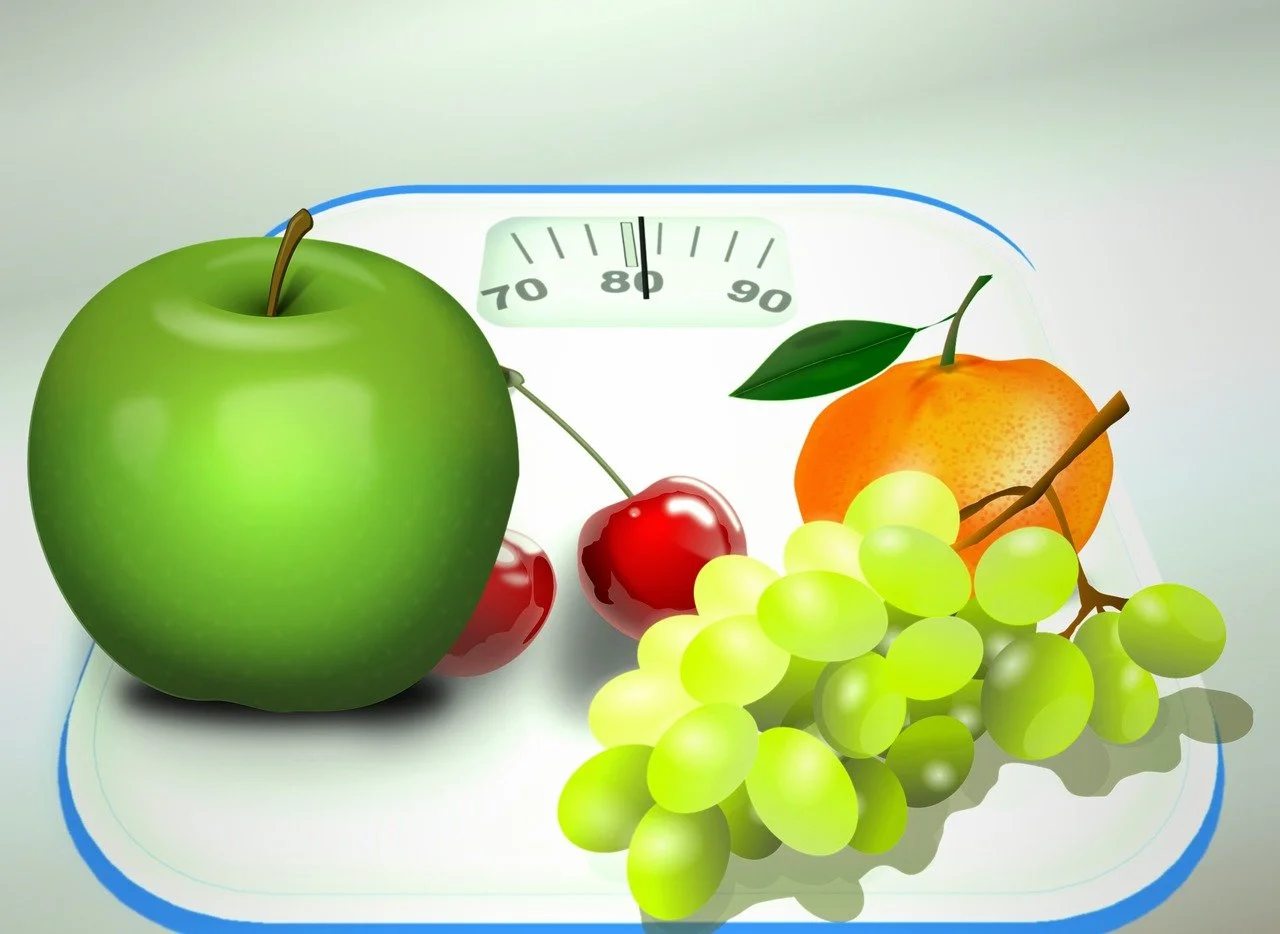
BEST DIET PLAN FOR WEIGHT LOSS IN DELHI
Obesity and excess body fat are rapidly increasing in metropolitan cities like Delhi due to sedentary jobs, stress, pollution, irregular sleep, and easy availability of high-calorie foods. A safe and effective weight loss plan must be scientifically designed, nutritionally balanced, and suitable for Indian eating habits. Crash dieting may produce temporary results but often leads to muscle loss, weakness, and weight regain. According to the World Health Organization, overweight and obesity significantly increase the risk of diabetes, hypertension, fatty liver, and heart disease. Sustainable weight reduction requires gradual fat loss while maintaining metabolic health. Scientific source: https://www.who.int/news-room/fact-sheets/detail/obesity-and-overweight
Scientific Principles of Healthy Weight Loss
Fat loss occurs when calorie intake is lower than calorie expenditure, but the quality of calories matters greatly. Research shows that higher protein intake increases satiety, preserves lean muscle, and boosts thermogenesis, making weight loss more effective and sustainable. Harvard T.H. Chan School of Public Health explains that protein-rich diets help control hunger and reduce overall calorie intake naturally. Fiber-rich foods also slow digestion and stabilize blood sugar levels, preventing cravings and overeating. Scientific sources: https://www.hsph.harvard.edu/nutritionsource/what-should-you-eat/protein/ https://www.cdc.gov/nutrition A balanced plan should include complex carbohydrates, lean protein, healthy fats, vitamins, minerals, and adequate hydration rather than eliminating entire food groups.
Ideal Indian Diet Pattern for Delhi Lifestyle
The best diet plan in Delhi uses locally available foods while controlling portions and cooking methods. Whole grains such as multigrain atta, oats, dalia, and brown rice provide sustained energy without sharp glucose spikes. Pulses, paneer, eggs, fish, soy, and lean chicken supply high-quality protein essential for fat loss and muscle maintenance. Vegetables should occupy a large portion of meals because they are low in calories but rich in fiber, antioxidants, and micronutrients. Seasonal fruits provide natural sugars along with fiber, unlike fruit juices that cause rapid sugar absorption. Fermented foods like curd and buttermilk support gut health, which emerging research links to improved metabolism and weight regulation.
Sample Daily Meal Structure
A practical daily plan focuses on balanced meals rather than strict dieting. Morning hydration with plain or lukewarm water supports metabolism. Breakfast should be protein-rich, such as vegetable oats, moong dal chilla with paneer, or eggs with whole-grain toast. This reduces mid-morning hunger. Lunch should include controlled portions of roti or rice, dal or legumes, cooked vegetables, salad, and curd for satiety and nutritional balance. Evening snacks can include fruits, roasted chana, sprouts, or buttermilk instead of fried items. Dinner should be light and preferably early, centered around protein and vegetables. Heavy late-night meals are strongly associated with weight gain and poor glucose control.
Role of Hydration, Activity, and Sleep
Lifestyle factors significantly influence weight loss outcomes. Adequate water intake helps regulate appetite, digestion, and metabolism. Physical activity increases calorie expenditure and improves insulin sensitivity. Even moderate activities such as brisk walking can produce meaningful health benefits. The World Health Organization recommends regular physical activity for maintaining healthy body weight and preventing chronic diseases. Scientific source: https://www.who.int/news-room/fact-sheets/detail/physical-activity Sleep is equally important. Insufficient sleep increases hunger hormones and reduces satiety signals, leading to overeating. Chronic stress elevates cortisol, which promotes abdominal fat accumulation — a common issue in high-pressure urban environments.
Common Causes of Weight Gain in Delhi
Several daily habits contribute to gradual fat gain. Frequent consumption of sugary tea, refined flour snacks, fried street food, restaurant meals, and late-night eating significantly increases calorie intake. Long sitting hours, minimal physical activity, and irregular meal timings further slow metabolism. Correcting these patterns alone can lead to noticeable weight reduction without extreme dieting.
Importance of Personalized Diet Plans
Each individual has unique nutritional needs based on age, gender, metabolic rate, medical conditions, and lifestyle. Generic online diets often fail because they do not consider these differences. A personalized plan ensures adequate nutrition, sustainable fat loss, and prevention of muscle loss or nutrient deficiencies. For residents of Delhi, professional guidance from an experienced expert such as Dietitian Himanshu Rai can help design a plan tailored to local food habits, work schedules, and health goals, improving long-term success and safety. The best diet plan for weight loss in Delhi is not a restrictive fad diet but a scientifically structured Indian eating pattern that emphasizes balanced nutrition, portion control, protein intake, fiber, hydration, regular activity, quality sleep, and stress management. Sustainable lifestyle changes produce steady fat loss while improving overall health, energy levels, and disease prevention. With consistency and the right guidance, safe and lasting weight reduction is achievable for most individuals.